Used cooking oils, especially in restaurants, food industries and even homes, are known as one of the most polluting municipal wastes. Many people still think that throwing used oil in the sink or trash is a normal and safe behavior. But the truth is that used oil is one of the most destructive wastes for the environment, sewage system and human health. In this article, we will scientifically and practically examine why we should not throw away used oil, what risks it poses and what rules and solutions exist for its proper collection.
Table of Contents
What is UCO?
Waste oil is used cooking oil that has undergone chemical changes due to high heat and contact with food and is no longer usable in cooking. This oil includes:
Oxidized fatty acids
Food particles
Heat-induced toxins
Dangerous free radicals
These compounds not only make the oil unusable, but also turn it into waste that has irreparable consequences if mismanaged.
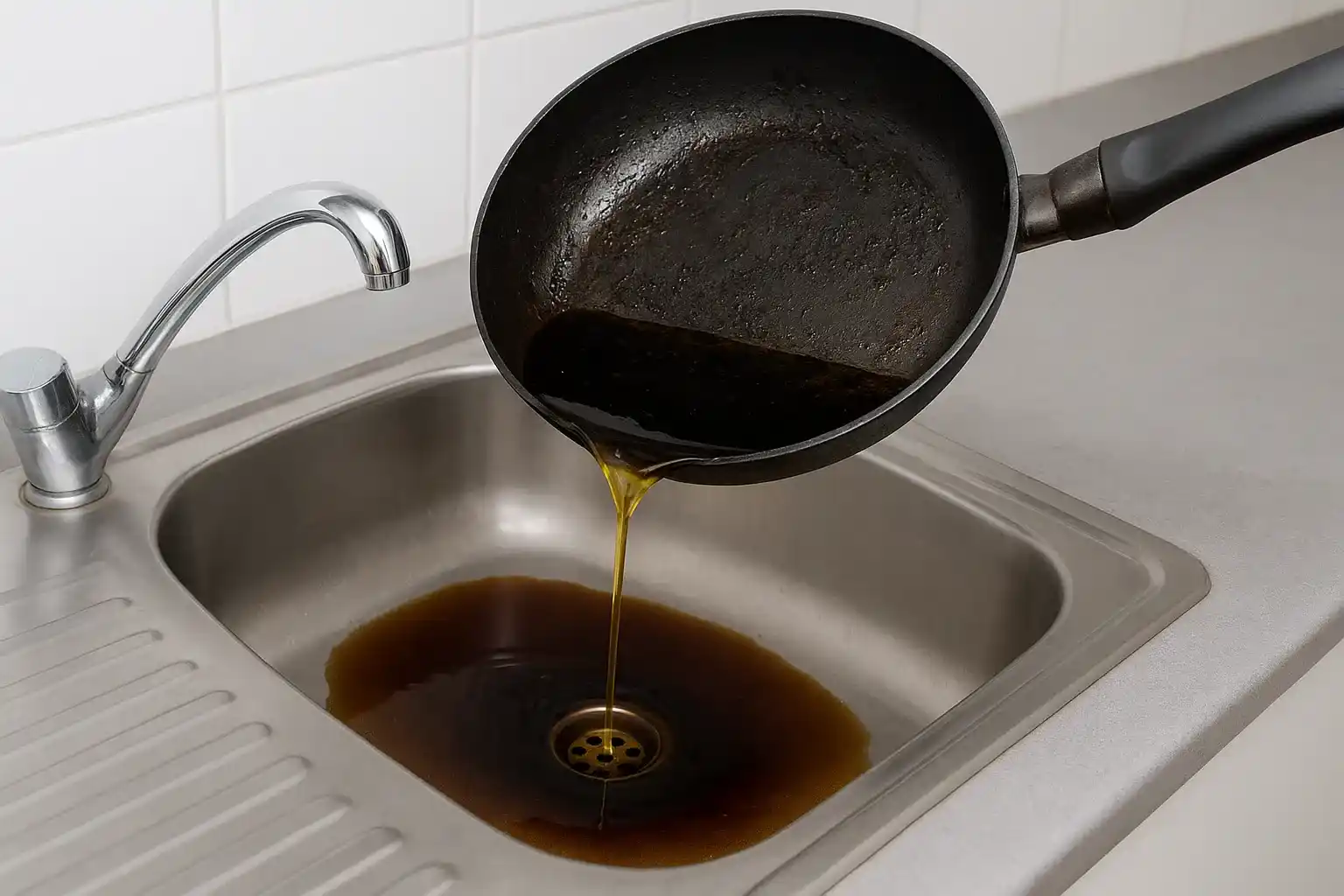
Is it really dangerous to dispose of used oil in the sewer?
Yes, and even more than we think. Just a few tablespoons of burnt oil can contaminate hundreds of liters of water or block sewer lines.
1. Blockage of pipes and sewage system
When burnt oil enters the pipes, it hardens and becomes viscous when it comes into contact with cold water, sticking to the walls of the pipes. The result?
Gradual blockage of the tubes
Heavy plumbing and drainage costs
Creating an unpleasant odor
Bacterial growth and environmental pollution
In many major cities around the world, the majority of sewer blockages are due to the presence of “fat bergs.”
2. Severe pollution of water resources
Burnt oil reduces dissolved oxygen in water. This leads to:
Death of fish and aquatic creatures
Disruption in the food chain
Increased growth of harmful algae
Widespread pollution of rivers and groundwater
Discarding oil in the soil also creates a layer of fat on the soil surface, preventing plant roots from absorbing water and air.
3. Production of toxic gases and unpleasant odors
Waste oil in trash cans and open areas reacts with bacteria and produces foul-smelling, toxic gases. These gases can cause:
Even a small amount of oil can completely infertile a small area.
Health hazards of burnt oil for humans
Discarding oil not only harms the environment and wastewater, but also returns to humans in a dangerous cycle.
1. Contamination of food sources
Oil released into nature can enter the animal food chain and ultimately affect humans.
2. Growth of pathogenic bacteria
Accumulated fat is a breeding ground for bacteria and insects. This can cause:
Environmental pollution
Occurrence of skin diseases
Respiratory problems
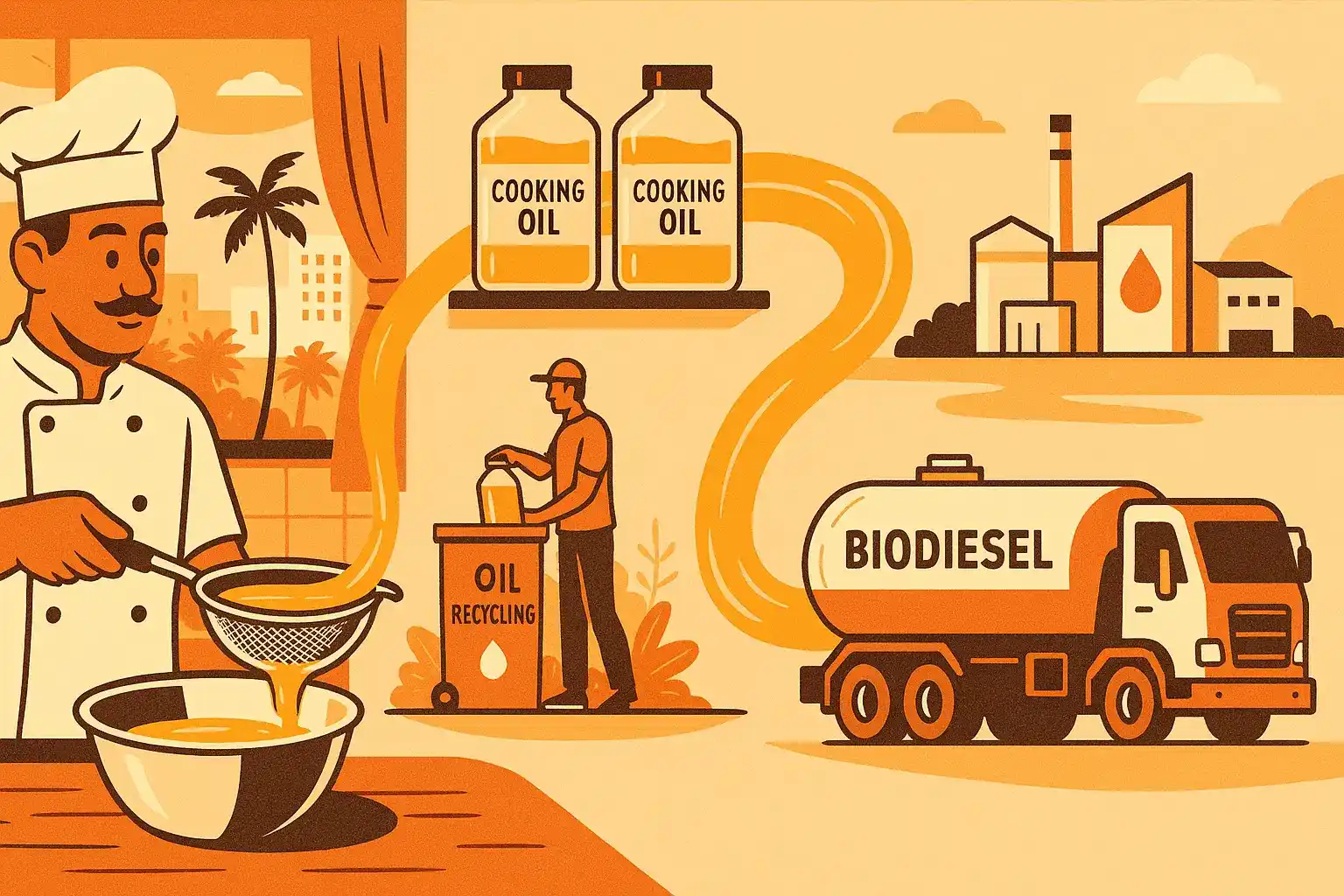
Waste oil is not waste; it is a valuable resource!
While many people think that waste oil is worthless, specialized companies like Petro Ayman Sharif convert it into a very useful product such as:
Biodiesel (clean fuel)
Chemical industry raw materials
Recycled industrial oils
Soap and detergents
This means that waste oil is not only not harmful, but is also a renewable energy source.
But with proper management and delivery of used oil to reputable centers, this threat can be turned into a valuable opportunity; an opportunity to produce clean fuel, protect the environment, and contribute to the country’s economy.
Official license from the Environmental Organization
Transportation and storage standards
Tankers and equipment with standard caps and barrels
Information recording and receipt delivery system
Processing and recycling in a reputable industrial unit
Petro imen Sharif Company is one of the companies that operates in the field of collecting oily waste, processing, and producing clean energy, and operates in accordance with environmental standards.